Navigating the Ice Storm Together Tips for Safety and Community Care

Severe ice storms can disrupt daily life in unexpected ways. Roads become slick and dangerous, power outages may occur, and routines get thrown off balance. Right now, many communities in Georgia are facing these challenges, and it’s natural to feel unsettled. Today, we're talking practical advice for staying safe, managing disruptions, and supporting one another through the storm.
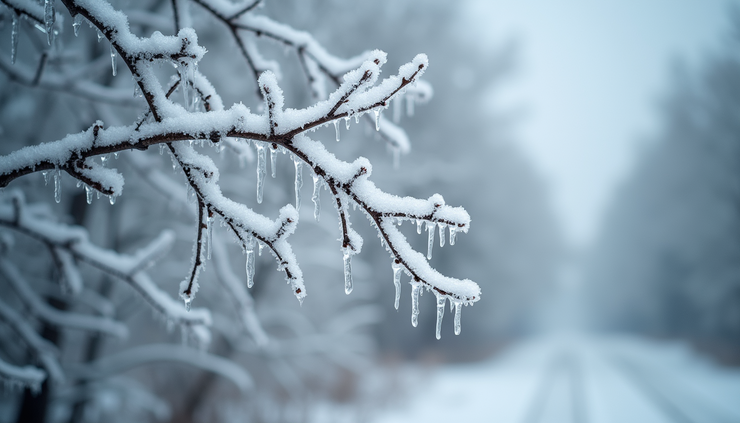
Understanding the Impact of the Ice Storm
Ice storms create hazardous conditions that affect more than just travel. Here are the most common disruptions you might experience:
Slippery roads and sidewalks increase the risk of accidents.
Power outages can last hours or days, affecting heating, lighting, and communication.
Delayed or canceled services such as mail delivery, public transportation, and emergency response.
Communication challenges as cell towers or internet services may be interrupted.
Recognizing these impacts helps set realistic expectations. It’s important to plan for delays and interruptions without expecting everything to run as usual.
Prioritizing Safety Over Speed
In severe weather, rushing can lead to accidents and injuries. Focus on safety first:
Stay off the roads if possible. Only travel when absolutely necessary.
Drive slowly and cautiously. Use headlights and keep a safe distance from other vehicles.
Keep walkways clear and salted to prevent slips and falls.
Prepare for power outages by having flashlights, batteries, and warm blankets ready.
Avoid using candles to reduce fire risk.
Remember, arriving late is better than risking your safety or that of others.
How Weather Affects Daily Schedules and Communication
Expect changes in how services operate during the storm:
Work and school schedules may shift or move online.
Appointments and deliveries could be delayed or rescheduled.
Customer service lines might be busier than usual, leading to longer wait times.
Emergency services may take longer to respond due to hazardous conditions.
Stay informed by checking official updates from local authorities and service providers. Use multiple sources like radio, official websites, and community alerts to get accurate information.
Ways to Support Your Community
Severe weather affects everyone, but communities can come together to ease the burden:
Check on neighbors, especially seniors or those with mobility challenges.
Share resources like extra food, water, or warm clothing if you can.
Offer help with snow or ice removal for those who need it.
Keep communication lines open by sharing updates and safety tips.
Be patient and kind as everyone copes with the disruptions.
Small acts of care build resilience and strengthen community bonds.
Preparing for Future Storms
Use this experience to improve your readiness:
Create an emergency kit with essentials like water, non-perishable food, medications, and batteries.
Develop a communication plan with family and neighbors.
Keep important documents and supplies in an accessible place.
Learn how to safely use alternative heating sources if power goes out.
Stay informed about local weather alerts and warnings.
Preparation reduces stress and helps you respond calmly when severe weather strikes again.
Staying Calm and Connected
Ice storms test our patience and resilience. It’s normal to feel anxious or frustrated. Focus on what you can control:
Follow safety guidelines.
Stay indoors as much as possible.
Reach out to friends or family for support.
Engage in calming activities like reading, listening to music, or gentle exercise.
Remember, this storm will pass. By staying calm and connected, you help yourself and your community get through it stronger!


Comments